
15 May 2024
Charcoal-Grilled Ribeye: How to Do It Properly
A ribeye on charcoal is one of the best things you can cook outdoors. The fat renders into the coals, the smoke comes back up through the meat, and you get a crust that a gas grill simply can't produce. The technique isn't complicated — but getting it right consistently takes a bit of setup.
What you need
- 2 ribeye steaks, ideally 1 to 1.5 inches thick — thinner than that and you can't get a proper crust without overcooking the middle
- Olive oil
- Coarse salt and freshly ground black pepper — that's it for seasoning
- A meat thermometer
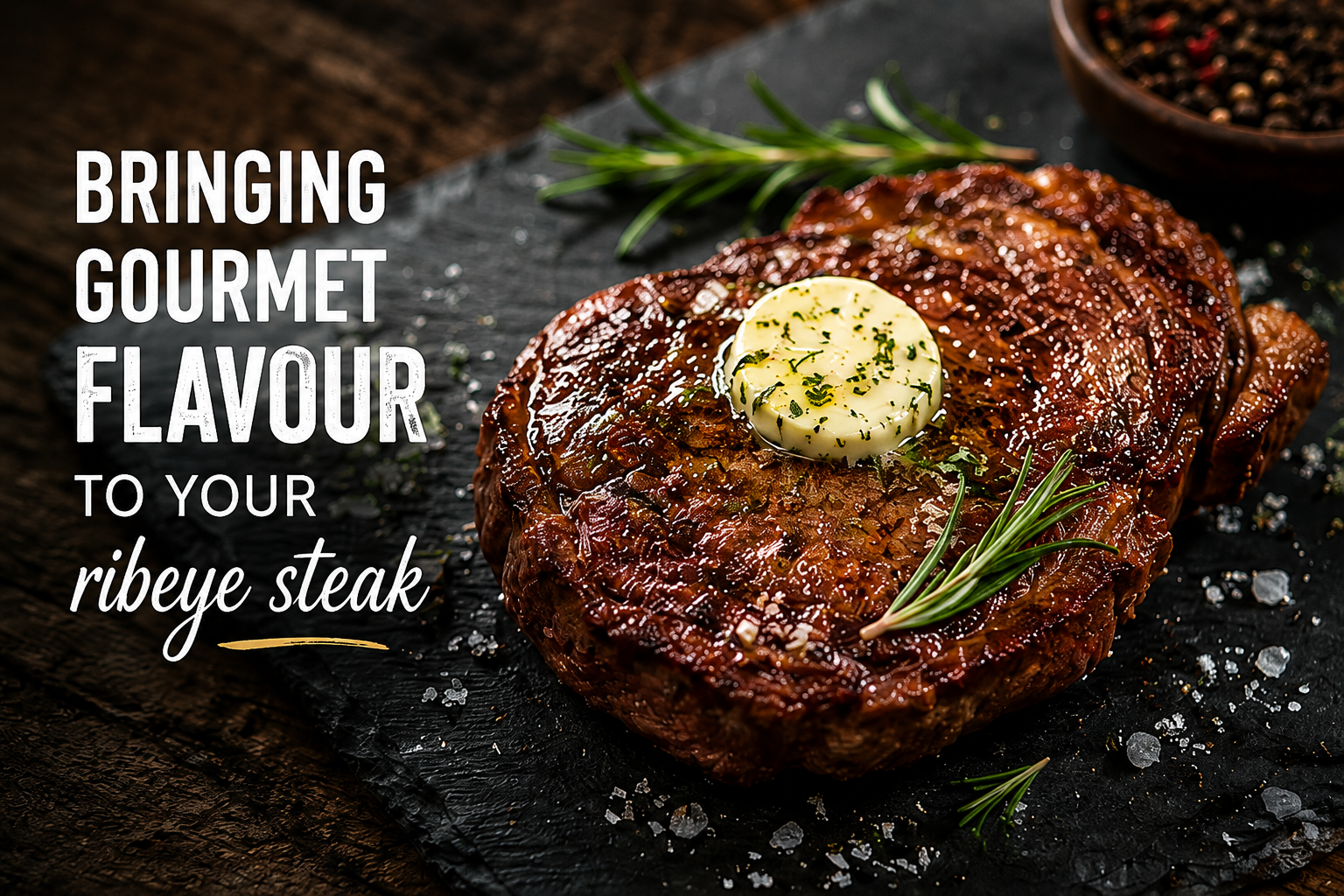
- Optional: a knob of butter, a few sprigs of rosemary, a smashed garlic clove
Set up a two-zone fire
This is the single most important thing to get right. Bank all your charcoal to one side of the grill — that's your high heat zone for searing. The other half stays empty — that's your indirect zone for finishing. You can't cook a thick ribeye on direct heat alone without burning the outside before the middle is done.
Let the coals ash over fully before you start. They should be glowing orange with a pale grey coating — no black spots. This takes about 20 minutes from a chimney starter.
Season and sear
Pat the steaks completely dry with kitchen paper — moisture is the enemy of a good crust. Rub with a little olive oil, then season generously with salt and pepper on both sides, pressing it in. Don't season too far in advance or the salt draws moisture to the surface.
Place the steaks directly over the coals. Don't touch them for two to three minutes — you're looking for a deep brown crust, not grey steaming meat. Flip once and repeat on the other side. If the fat cap is thick, hold the steak on its edge with tongs and render that too.
Finish on indirect heat
Move the steaks to the cool side and close the lid. This is where the thermometer earns its place:
- 49°C — rare
- 54°C — medium-rare (the sweet spot for ribeye)
- 60°C — medium
A 1.5-inch ribeye at medium-rare will take about 4–6 minutes on indirect heat after the sear. Check it early — you can always add more time but you can't take it back.
If you want to add flavour, place a rosemary sprig and a smashed garlic clove on top of each steak while it's on the indirect side. A small knob of butter at the same stage gives it a basted richness.
Rest it properly
This step gets skipped more than any other. Remove the steaks when they're 2–3 degrees below your target temperature — they'll continue cooking off the heat. Rest on a board, loosely tented with foil, for at least five minutes. Cut into it too soon and the juices run out onto the board instead of staying in the meat.
A note on charcoal
Restaurant-grade lumpwood is worth using here. It burns hotter and cleaner than standard briquettes, with a natural wood smokiness that complements the beef. You want the sear to happen fast and hot — lumpwood gives you that.